Published: September 28, 2026 | Last updated: September 28, 2026
Dr. Rajanbir Singh Thind, Thind Dental Clinic
In a 2022 randomized trial reported in Evidence-Based Dentistry, adults who added flossing to toothbrushing cut the share of sites with moderate gum inflammation from 37.7% to 15.9% in just one month. The people who only brushed did not see the same drop. Thirty days of a two-minute habit changed what their gums looked like.
Quick answer: Is flossing worth doing every day?
Yes. Cleaning between your teeth once a day, with floss or a small interdental brush, is worth doing because a toothbrush cannot reach the tight spaces where gum disease starts. The best clinical evidence says it may lower gum inflammation more than brushing alone, though the certainty is modest. The right tool depends on the gap between your teeth: interdental brushes suit visible gaps, and floss suits tight contacts. What matters most is gentle technique and daily consistency, not the brand of floss.
What is interdental cleaning, and why does it matter?
Interdental cleaning is the removal of plaque and food debris from the spaces between teeth, using tools such as dental floss or interdental brushes. Its goal is to prevent gingivitis, the earliest and reversible stage of gum disease, before it turns into periodontal disease.
The general practice of interdental cleaning targets the sides of the teeth, the surfaces a brush bristle rarely enters. Those sides are exactly where plaque hides overnight.
How much of your mouth does brushing actually miss?
Brushing alone cleans only about 60% of tooth surfaces, according to the Indian Dental Association’s public guidance on flossing. The remaining surfaces sit between and just under the edges of your teeth.
The IDA advises removing debris from places a toothbrush cannot reach, under the gum line and between the teeth. Left in place, that plaque leads to tooth decay and gum disease.
How common is gum disease, and what does waiting cost you?
Gum disease is one of the most widespread health conditions in the world. As of September 2026, the World Health Organization’s oral health fact sheet states that oral diseases affect nearly 3.7 billion people and that severe periodontal disease affects more than 1 billion cases worldwide.
Most early gum disease does not hurt. That is why many working adults in Ludhiana only notice it when gums bleed on brushing, breath changes, or a tooth feels loose. By then the problem has usually been building for months.
- Gingivitis is reversible with better cleaning.
- Periodontitis damages the bone that holds teeth, and that damage is not reversed by cleaning alone.
- Skipping the in-between spaces leaves plaque in the exact place gingivitis begins.
What does the best research say about floss versus interdental brushes?
The strongest evidence says both tools may reduce gum inflammation, but the certainty is low and interdental brushes did slightly better. A Cochrane review published in April 2019 pooled 35 randomized trials with 3,929 adults and found that floss plus toothbrushing may reduce gingivitis at one, three and six months. Interdental brushes appeared better than floss for gingivitis at one and three months.
The reviewers were candid about the limits. In the words of the Cochrane review led by H. V. Worthington:
"Using floss or interdental brushes in addition to toothbrushing may reduce gingivitis or plaque, or both, more than toothbrushing alone."
The same review notes that the evidence was low to very low certainty. That is a reason to use the tools properly, not a reason to skip them.
Which is better for you: floss or an interdental brush?
Choose an interdental brush if your teeth have gaps a brush can slide into without force, and floss if your teeth touch tightly. The European Federation of Periodontology (EFP) takes this same position: it endorses interdental brushes as the preferred method where space allows, with floss playing a supporting role where teeth are too close together.
| Option | Best suited for | What the evidence says |
|---|---|---|
| Toothbrush alone | Front, back and chewing surfaces | Cleans only about 60% of tooth surfaces (Indian Dental Association) |
| Dental floss | Tight contacts between teeth | May reduce gingivitis at 1, 3 and 6 months (Cochrane, 2019, low certainty) |
| Interdental brush | Visible gaps and gum recession | Appeared better than floss for gingivitis at 1 and 3 months (Cochrane, 2019, very low certainty) |
Speaking about a wave of media coverage that questioned flossing in 2016, Iain Chapple, then Secretary General of the EFP, called the coverage "highly misleading to the public and to patients" in the EFP’s September 2016 statement. The EFP added that professional instruction is essential for any interdental method.
How should you floss so it helps instead of hurts?
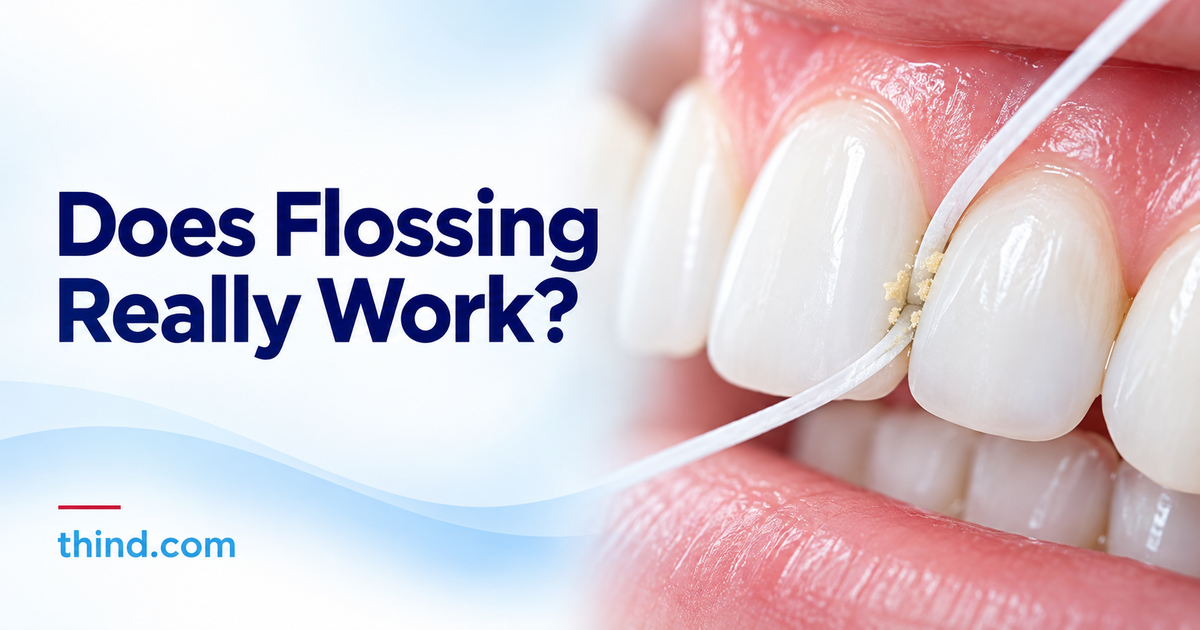
Use a gentle, curved motion against each tooth, not a snapping motion into the gum. The Indian Dental Association recommends flossing before brushing and doing it daily.
- Guide the floss between two teeth slowly, without snapping it down onto the gum.
- Curve it into a C shape against one tooth and slide it just under the gum edge.
- Clean the neighbouring tooth the same way, then move to a fresh section of floss.
- Expect a little bleeding in the first week if your gums are inflamed, and expect it to settle as they heal.
- If bleeding continues past two weeks, have your gums checked instead of flossing harder.
How should a smart patient judge dental care for gum health?
Judge a dentist by whether they teach and measure, not only whether they clean. Good gum care starts with a proper assessment of your gums, a demonstration of the tool that fits your teeth, and a plan you can keep up with a busy schedule.
- Hygiene you can verify. Sterilization standards should be recognised and open to questions.
- Measurement, not guesswork. Gum pockets and bone levels should be checked and shown to you.
- Technique coaching. You should leave knowing which tool fits which gap.
- Continuity of care. The same experienced team should track your gums from visit to visit.
What should you look for in a clinic before your next cleaning?
Look for a clinic that treats gum health as a habit to coach, not a procedure to sell. These are the signs to check.
- Look for a clinic with recognised national hygiene accreditation, such as NABH approval.
- Look for a clinic that uses gentle, modern tools so cleaning feels comfortable.
- Look for a clinic that shows you your own gum findings and explains them in plain words.
- Look for a clinic that gives hands-on flossing and interdental brush training at the chair.
- Look for a dentist team that stays the same across visits, so changes in your gums are noticed early.
- Look for a clinic with more than one location, so a six-monthly visit fits around work.
Where can you get gum care that follows these standards in Ludhiana?
Thind Dental Clinic is a NABH-approved dental clinic with three locations in Ludhiana, run by Dr. Rajanbir Singh Thind and Dr. Gurinder Kaur Thind. The clinic offers general and cosmetic dentistry at thind.com, including laser dentistry, implants, root canal treatment and clear aligners.
Gum health sits underneath all of it, and the team offers professional cleaning and gum care visits because a healthy foundation makes every other treatment last longer.
What is a simple next step?
If you are not sure whether your gums are healthy, the easiest next step is to have them looked at. You can book a free smile assessment and consultation at Thind Dental Clinic, where we will check your gums, show you what we find, and match you with the right cleaning tool for your teeth. It takes one short visit, and you leave with a plan you can follow at home.
Frequently asked questions
Is it too late to start flossing if my gums already bleed?
No. Bleeding is usually a sign of inflamed gums, and early gingivitis is reversible with better cleaning. In the 2022 trial above, gum inflammation fell mainly within the first month. If bleeding continues beyond two weeks, get your gums examined.
Should I floss before or after brushing?
The Indian Dental Association advises flossing before brushing. Doing it first loosens debris so the brush and fluoride toothpaste can reach freshly cleaned surfaces. What matters most is that you do it every day.
How often should I clean between my teeth?
Once a day is the standard advice. The Indian Dental Association recommends daily flossing, and interdental brushes are a good alternative where your teeth have gaps. Pick a time you will keep, such as before bed.
Can flossing damage my gums?
It can if you snap the floss down or saw it back and forth. The EFP stresses that professional instruction helps interdental cleaning work and prevents harm. Ask your dentist to watch you do it once.
Do braces or aligners change how I should clean between teeth?
Yes, because brackets and wires trap more plaque. Interdental brushes and floss threaders are often easier than plain floss with braces. Your dentist can show you the best option for your treatment.
Sources
- Dental floss as an adjuvant of the toothbrush helps gingival health, Evidence-Based Dentistry (2022)
- Flossing, Indian Dental Association
- Oral health fact sheet, World Health Organization
- Home use of devices for cleaning between the teeth, Cochrane Review (Worthington et al., 2019)
- EFP provides clear guidance to public on interdental cleaning, European Federation of Periodontology (2016)